Aboriginal and Torres Strait Islander Recognition and Justice
Learn how we are enabling a community that values truth-telling, listening, healing and respecting Culture.
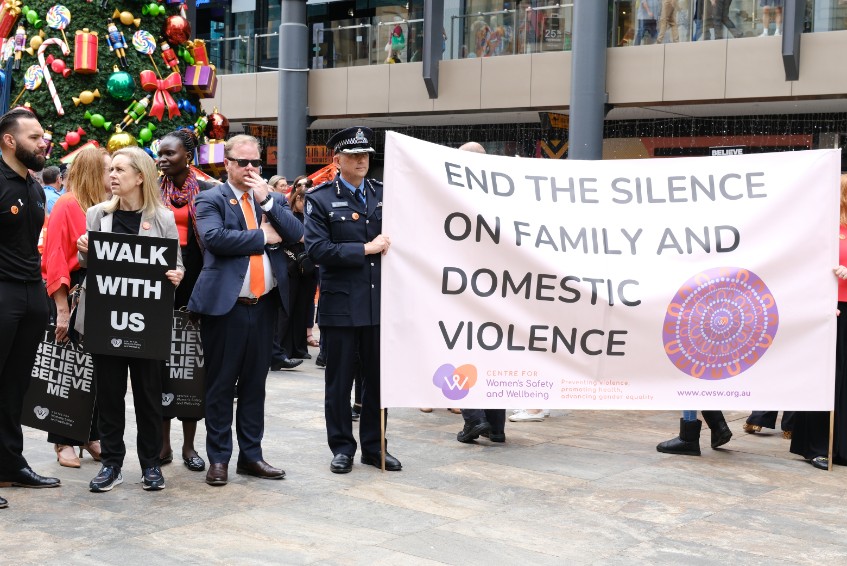
We want a community in which all Western Australians can live in safety and security, free from violence.
Family and domestic violence and abuse (FDV) is a major health and wellbeing issue. It affects people from all backgrounds, but particularly women and children.
FDV takes many forms, including physical, sexual, financial, emotional, psychological and image-based abuse. A key characteristic of FDV is the use of violence or other forms of coercion to control someone with whom the perpetrator has an intimate or family relationship.
Note: These statistics may fluctuate based on recent reports released. Sources can be found further down the page.

On average, 1 woman is killed every 8 days by an intimate partner in Australia¹

1 in 6 women (17%) and 1 in 18 men (6%) in Australia have experienced violence by a partner²
23% of Australians believe domestic violence is a normal reaction to day-to-day stress³

Over the past 2 years, WA recorded the nation’s highest rates of FDV abuse⁴

WA Police recorded over 42,000 FDV-related offences in 2024–25, up 75% over the past decade⁵

FDV continues to be one of the main drivers of homelessness in WA at 46%⁶
We’ve done the research and we know what works. We’re calling on the Federal and State Government to get behind the following solutions:
1. Australian Institute of Health and Welfare. (2026). Domestic homicide.
2. Australian Institute of Health and Welfare. (2026). FDSV summary.
3. Australian Institute of Health and Welfare. (2025). Community attitudes.
4. Duncan, A., Mavisakalyan, A., & Twomey, C. (2025). Family and domestic violence in Australia 2025: Is enough progress being made?. Bankwest Curtin Economics Centre.
5. Western Australia Police Force. (2026). Crime statistics.
6. Australian Institute of Health and Welfare. (2025). Specialist homelessness services 2024–25: Western Australia.
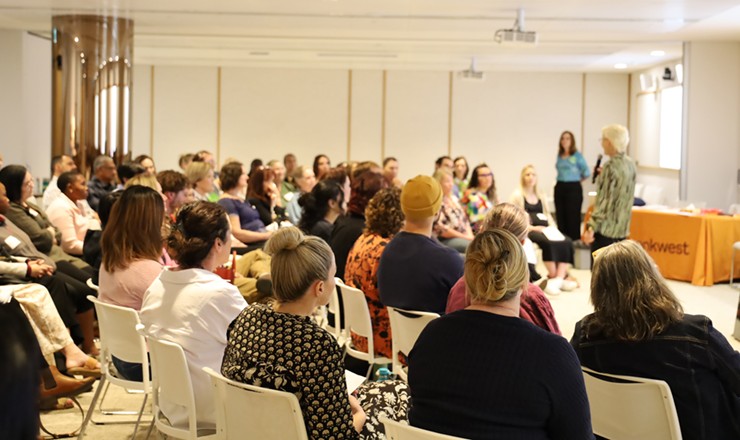
Join us in advocating for a fairer, more just Western Australia.
When you add your voice to ours, we become stronger, louder, and better equipped to drive the systemic change our communities deserve.
Together, we can create a future where everyone can thrive.
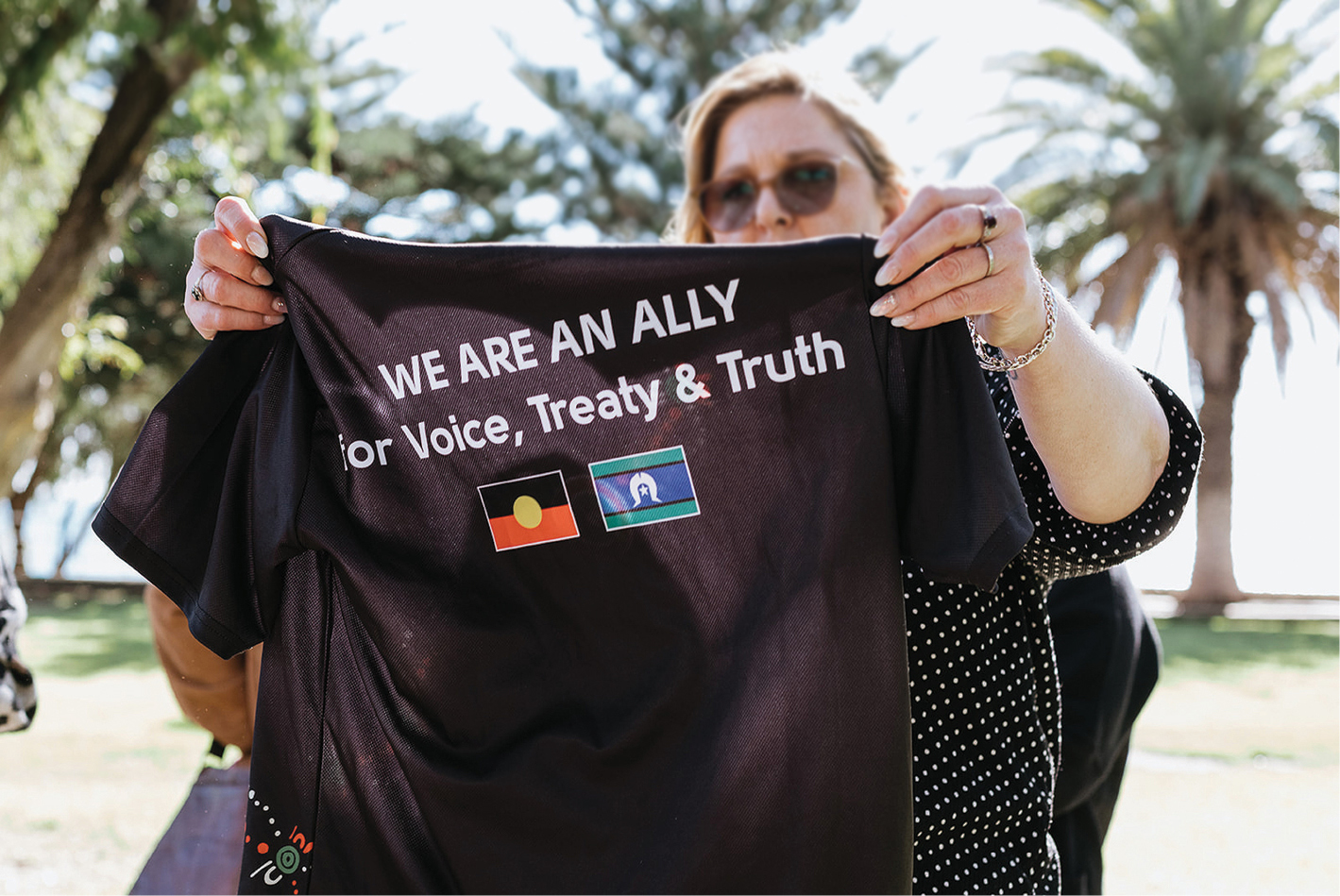
Through our advocacy, we are committed to creating economic justice and fairness, ensuring that everyone has a home, seeking freedom from family and domestic violence and abuse, and supporting Aboriginal recognition and justice by being an ally on voice, treaty and truth.

We acknowledge Aboriginal Peoples as the Traditional Custodians of the lands that our services are based on and pay our respects to Elders of these lands both past and present. Anglicare WA delivers services across many Countries in WA, from Balanggarra Country in the North to Minang Noongar Country in the South. In particular, we wish to acknowledge the Custodians of the lands where our offices operate. We would like to thank the Noongar, Miriuwung Gajerrong, Tjurabalan, Yawuru, Nyikina, Ngarluma, Kariyarra, Nyiyaparli, Martu, and Wangkatja peoples for their wisdom and generosity.