
Poverty hits 456,000 Western Australians as housing costs and rising costs of living deepen hardship.
Bankwest Curtin Economics Centre's (BCEC) 2026 Poverty Snapshot: The Changing Face of Poverty in Western Australia reveals that 15.1% of Western Australians are living in poverty. That’s an increase of around 145,000 people since 2021, with the poverty rate rising from 11.8% to 15.1%.
Over the past decade, despite WA’s economic success, the number of people experiencing poverty in WA has more than doubled, now sitting at 456,000 people and 99,000 children.
The findings highlight how rising housing costs and inadequate incomes are pushing more people into poverty. More than one in four private renters in WA are living in poverty, as are around one in three people in single-parent families. Children face particularly deep hardship, with almost half of those living in poverty experiencing deep poverty.
Poverty is not confined to people receiving income support. Around 176,000 Western Australians experiencing poverty live in households where wages and salaries are the main source of income. Having a job does not always mean being able to afford the essentials.
How do we define poverty?
Poverty concerns a lack of resources to meet basic needs and participate fully in everyday life. While income is an important measure, it doesn't capture the full experience and variations of hardship, such as housing insecurity, going without essentials, or unequal access to household finances. The poverty line helps identify households on low income, but we also need to understand the depth of poverty.
People experiencing deep poverty live on less than 30 per cent of the income of a typical Australian household after housing costs are paid. This is well below the main poverty line of 50 per cent, making it even harder to afford essentials and stay connected to their community.
Despite the scale of the issue, Australia has no officially agreed definition of poverty. This makes consistent measurement and tracking difficult, limiting our ability to understand the problem fully and assess whether efforts to address it are working.
That is why independent academic and policy institutions such as BCEC play such an important role. By bringing together evidence and applying consistent measures, they help make poverty more visible, identify who is most affected and highlight where action is needed.
Building a clearer picture of poverty
The snapshot provides a clear signal that more needs to be done. Expanding access to social and affordable housing, easing rental pressures and ensuring household incomes are adequate must be central to the response.
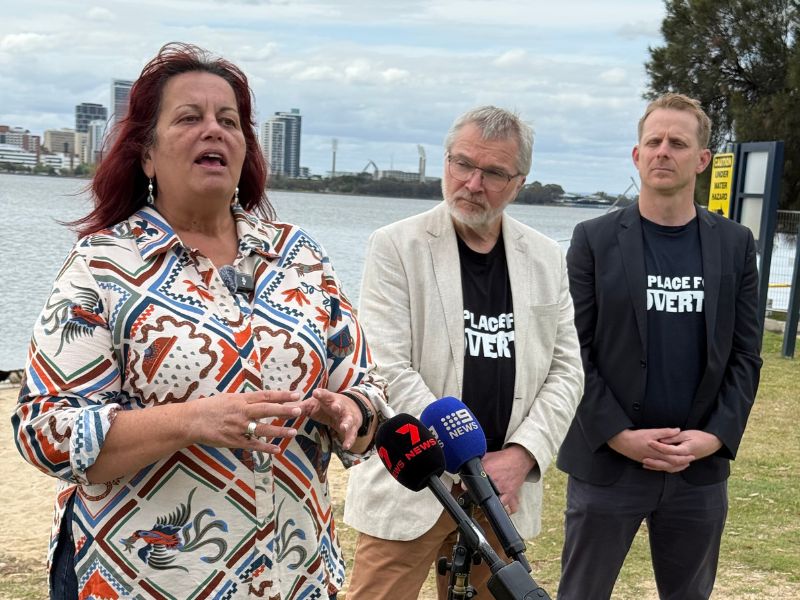
Anglicare WA together with No Place for Poverty and WACOSS sees this snapshot as an important step towards greater transparency and accountability. Our ambition is to make it an annual publication so that we can build a consistent picture of how poverty is changing in WA and whether we are making progress.
Over time, we hope to broaden how poverty is measured, recognising that it extends beyond income to include access to safe and affordable housing, essential services, health and wellbeing, and the opportunity to participate and belong.
Reliable evidence is essential, but it is only the starting point. By tracking poverty over time, we can strengthen public understanding, identify priorities and hold decisionmakers accountable for progress.
View the 2026 Poverty Snapshot in full (PDF)
2026 Poverty snapshot: The changing face of poverty in Western Australia was published by Bankwest Curtin Economics Centre in partnership with No Place for Poverty. Funded by Anglicare WA and WA Council of Social Services (WACOSS).


