
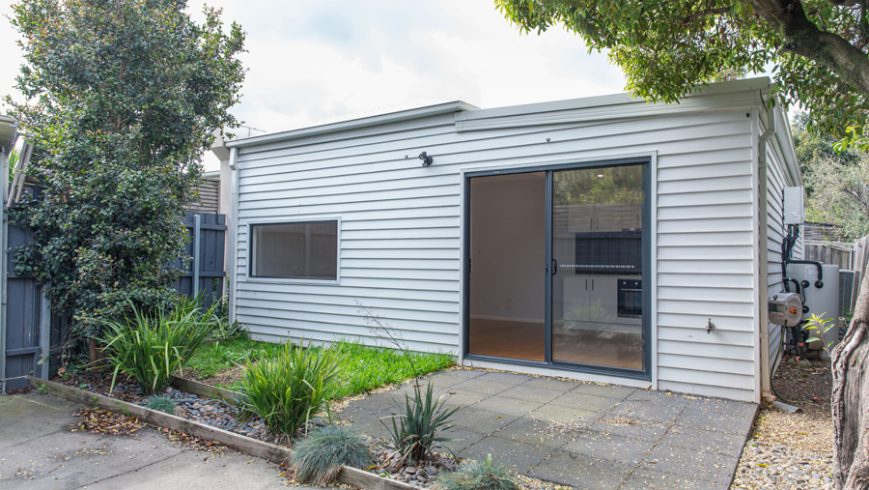
With the housing crisis and rental affordability worsening in WA, alternative housing models are being pushed by the housing industry and governments as part of the solution.
Alternative housing models such as granny flats and co living arrangements are increasingly being promoted by federal and state governments, the housing industry, and property managers as part of the solution.
At Anglicare WA, we recognise the importance of innovative responses to address the housing crisis. With rentals increasingly unaffordable, we need to explore alternative housing options.
While these models may appear promising at first glance, it is important to ask whether granny flats and co-living arrangements genuinely improve outcomes for renters, or whether they risk entrenching housing insecurity, poor quality housing, and reduced choice for people on low incomes.
What are granny flats and co-living arrangements?
A granny flat is a self-contained secondary dwelling built on the same lot as a primary single-family home. Designed for independent living, it typically includes a bedroom, bathroom, kitchen and living area. In Australia, granny flats are usually under 70 square meters.
Co-living is a modern, communal housing arrangement where residents rent private, furnished rooms within a larger shared building, often featuring shared amenities like kitchens, lounges, and gyms. Often marketed to young workers and students, it combines private space with shared living to reduce costs, with rent often including utilities.
A growing trend
Our 2026 Rental Affordability Snapshot shows a growing prevalence of granny flats and co-living arrangements in WA’s private rental market, which has been a subject of recent media focus.
In 2024, the WA Government introduced planning reforms to encourage the development of granny flats, including removing minimum lot size requirements and fast-tracking approval processes to boost housing supply. Meanwhile, co-living is emerging as a housing trend due to planning approaches that prioritise rapid supply increases and higher density, while investors and developers are drawn to co-living’s higher returns and strong demand in tight rental markets.
A stopgap, not a solution
Granny flats and co-living have been promoted as models that quickly boost housing supply and provide flexible and affordable options for renters priced out of the market.
Yet these housing products are primarily designed around investor returns rather than renters’ needs. They frequently offer limited space, variable construction standards, and reduced tenure security, placing renters in a more vulnerable position than in traditional housing.
While they may add supply at the margins, they do little to address the structural drivers of the crisis, including inadequate social and affordable housing, rising rents, and weak renter protections.
Long-term solutions
Alternative housing models cannot replace the need for systemic reform. Our advocacy is grounded in the principle that housing must provide safety, dignity, affordability, and security. Everyone deserves access to available, affordable, and appropriate homes.
Anglicare WA is calling for:
- Significant investment in social and affordable housing – until it comprises 6% of all housing stock, delivered at scale for people on low and fixed incomes.
- Adequate income support, including raising the rate of JobSeeker above the poverty line to at least $82 per day and improving the minimum wage.
- Stronger renter protections, including ending No Grounds Evictions, meaningful limits on rent increases, longer default leases, and enforceable minimum rental standards.
- Planning and housing policy that prioritises liveability over yield, ensuring all housing options meet standards of dignity and suitability.


